
Please Leave Us A Message
Privacy statement: Your privacy is very important to Us. Our company promises not to disclose your personal information to any external company with out your explicit permission.
 Helper Machinery Group Co., Ltd.
Application Guide of Dietary Fiber in Meat Product Processing
Against the backdrop of rising public health awareness, meat product consumption is undergoing a rapid shift from “satisfying satiety” to “nutrition oriented health”. Reduced salt, low fat formulations and incorporation of functional ingredients have become core directions for industrial product upgrading. Thanks to its dual attributes of “nutritional fortification and processing optimization”, dietary fiber has expanded its application scope from baking and dairy sectors to meat processing. It...
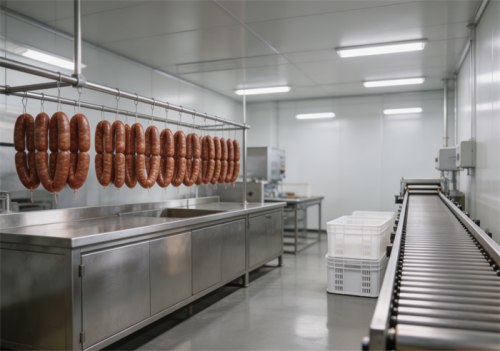
Application of Stepwise Cooking in SmokedCooked Sausages and Hams
1. Smoked Cooked Sausages and HamsThe cooking process for smoked cooked sausages and hams is generally performed below 100 °C. High temperatures exert significant adverse effects on product quality. Elevated temperatures can damage and denature protein molecules, impairing the product tissue structure and reducing water holding capacity. For sausages in natural casings in particular, the casing possesses low mechanical strength and cannot withstand high temperature conditions. Excessively high...
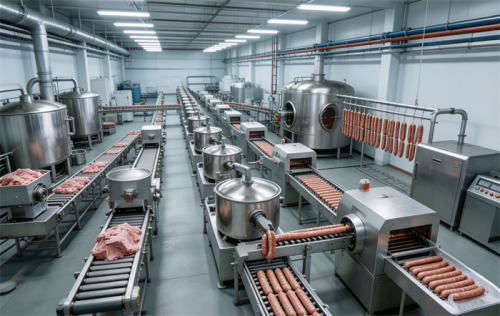
Equipment for Industrial Scale Sausage Production
1. Meat GrinderFunction of the meat grinder: Although a meat grinder appears simple, manufacturing a high performance unit is far from easy. Concentricity and the guiding ribs of the auger are the most critical factors. The key indicator for evaluating grinder performance is the temperature difference between incoming meat and ground meat. A smaller temperature difference indicates better grinder performance; generally, a temperature difference within 2 ℃ is considered reasonable.Some meat...
Common Quality Problems and Control in the Production of Sausage Products
I. Appearance Related Quality Problems(I) Sausage Casing Rupture1.Problems with sausage casings If casings suffer from varying degrees of putrefaction, the casing walls will have uneven thickness, become loose and fragile with poor rupture resistance. Salt eroded casings shrink and lose elasticity. Sausages stuffed with such casings are prone to rupture.2.Problems with meat batter Batter with high moisture content will expand upon rapid heating and burst the casing. Over stuffing of meat batter...

Children‑oriented meat products represent a growth track in the food industry. Nevertheless, most existing products focus merely on packaging‑driven marketing and fail to address core pain points including excessive salt content, abundant additives, age‑inappropriate texture and insufficient nutrition. Category development shall be based on safety bottom lines, balancing parents’ health demands, children’s acceptability and regulatory compliance. Implementation shall be carried out from four...
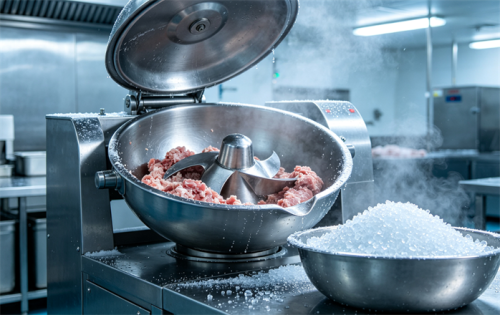
In the production of emulsified meat products, chopping serves as the core process determining product texture, mouthfeel and processing yield. Ice flake addition is the most common temperature control method in the industry. However, finding the precise balance — how much ice to add, when to add it, and how to match ice dosage with chopping duration — remains a challenging task for many process technicians and quality control personnel.I. Sources of Temperature Rise and Critical Temperature...
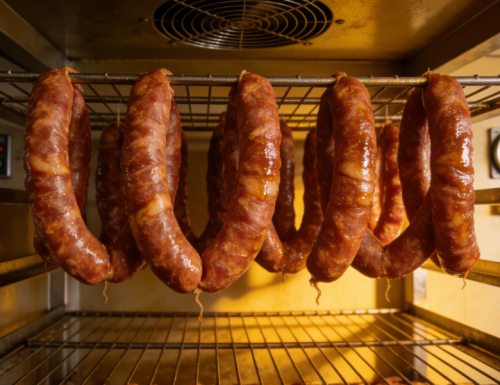
Sausage Drying Process: Three-Stage Parameter Settings and Detailed Analysis of Common Problems
In the industrial production of sausages, drying is a core process that determines product texture, flavor, food safety and shelf life. More than 80% of product defects in the industry stem from improper control of the drying process. The core objectives of industrial sausage drying lie in full-process controllability, replicable parameters and traceable quality. From a professional production perspective, this article concisely dissects the fundamental principles of the drying process,...
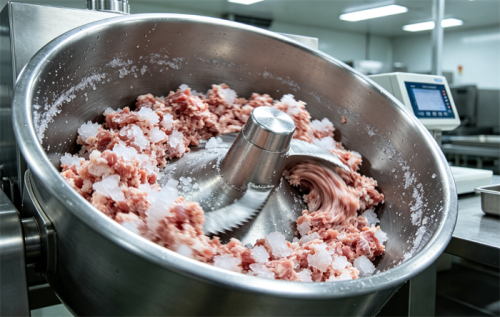
Emulsification State Criteria and Abnormality Troubleshooting Guide
Chopping and emulsification is always the core process for producing low-temperature sausages, luncheon meat, quick-frozen meatballs and other products in meat processing workshops. Many factories formulate standards based on chopping duration and discharging temperature. However, the same parameters may lead to completely different results with different batches of raw materials or ambient temperatures. In contrast, senior workshop workers can accurately judge whether emulsification is...
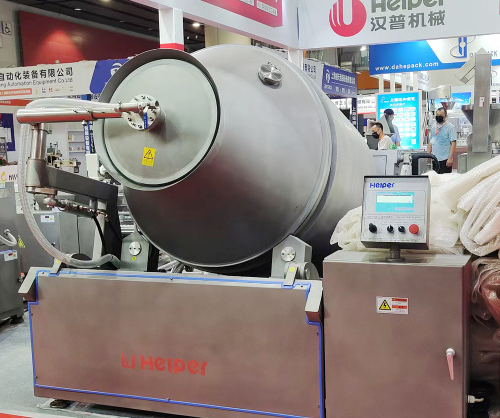
Judgment Methods and Key Points for Determining the Tumbling Endpoint
As the core procedure of curing, vacuum tumbling directly determines the product yield, and further affects the tenderness, flavor penetration and moldability of finished meat products. Fluctuations in the fat-to-lean ratio of raw meat, differences in thawing degree, and adjustments to curing formula will lead to vastly different tumbling results. Insufficient tumbling causes low product yield and uneven flavor penetration; excessive tumbling results in mushy meat texture and structural...
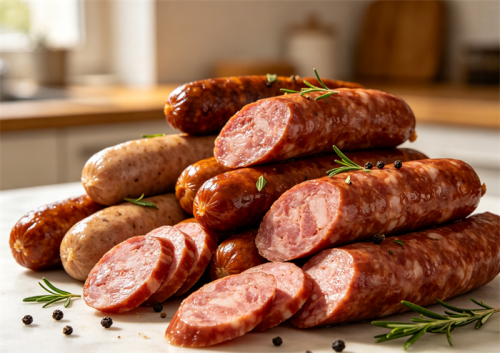
Classification and Processing Principles of Sausage Products
There exists a wide variety of sausage products with diverse processing techniques, and no unified classification standard has been established worldwide. For instance, German sausages are mainly divided into raw sausages, cooked-smoked sausages and fully cooked sausages. For many years, China’s meat processing industry has adopted a popular classification system that distinguishes Chinese sausages from Western-style sausages. Traditional Chinese sausages represented by Cantonese cured sausages...
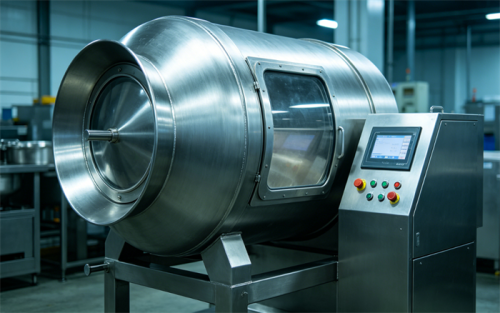
Misconceptions in Vacuum Tumbling Are Cutting Down Your Product Yield!
With identical raw materials and formulations, why is your product yield consistently 2 to 3 percentage points lower than your competitors? When using the same tumbling equipment, why do other manufacturers produce tender, springy meat, while yours turns out tough or crumbly and falls apart? The root cause rarely lies in equipment or recipes, but in easily overlooked operational details.Vacuum tumbling is a core procedure for meat curing, directly tied to profit margins via product yield, as...
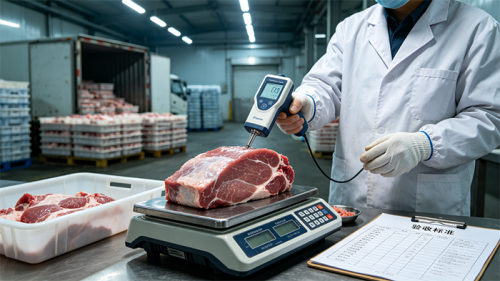
How can meat processing plants cut raw material waste by 10%? Don’t overlook these six key details
Raw material costs account for 60% to 70% of total costs in the meat processing industry. Every 1% reduction in raw material loss translates to a 2% to 3% rise in net profit. By optimizing six key standardized links across the whole production flow, most processing plants can cut raw material losses by over 10% without large-scale investment in new equipment. Many factories attribute material losses to "poor raw material quality" or "careless workers", yet in reality, 80% of raw material losses...
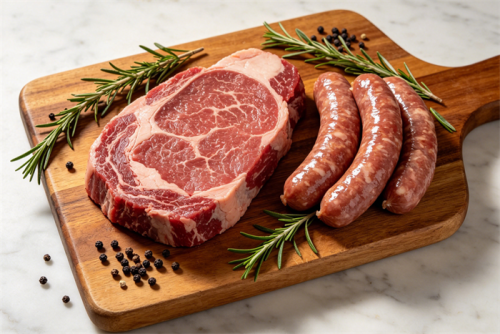
Processing Technology of Beef Sausage
1. Formula StandardMain Ingredients: 35 kg raw beef, 15 kg pork fat.Auxiliary Ingredients: 1.5 kg salt, 1.5 kg light soy sauce, 3 kg white granulated sugar, 500 g liquor, 2 g sodium nitrite.2. Processing Procedures(1) Raw Material PreparationSelect freshly inspected qualified beef, preferably hind leg meat. Remove bones and tendons, soak the meat in cold water and drain thoroughly. Mince the beef into chunks of approximately 1 cm using a meat grinder.Peel the pork fat and cut it into 1 cm...
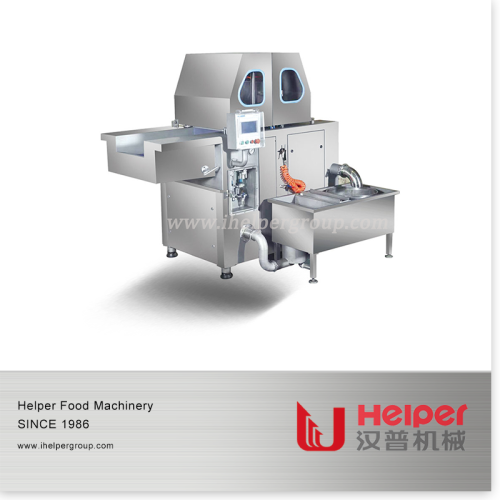
In-depth Analysis of Chopping Technology in Sausage Processi
Chopping is the most decisive process affecting the final quality throughout sausage production. More than 80% of the quality characteristics of premium sausages — springy texture, rich juiciness and fine structure — are determined by this critical step. Far more than simple chopping and blending, it involves complex physical and chemical changes that directly govern the product’s water-holding capacity, emulsion stability, textural properties and yield rate.I. Scientific Essence of Chopping:...
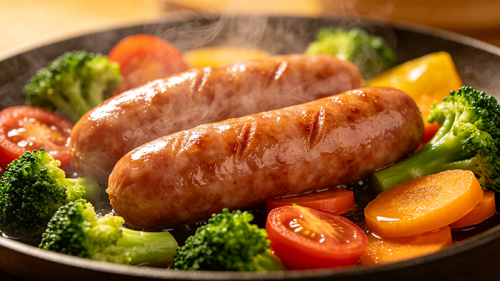
Summary of Improvement Solutions for Quality Defects of Cooked Sausages
Cooked sausages, especially high-temperature sterilized cooked sausages, commonly suffer from typical quality defects including spoilage with gas bulging, finished product oil seepage, water exudation, casing peeling and product discoloration.Ⅰ. Appearance Defects1. Partial absence of smoked color on sausage surface: Uneven smoke deposition and failure to reposition sausages up and down during smoking.2. Irregular smoked speckles on sausage surface: Inconsistent smoke distribution and excessive...
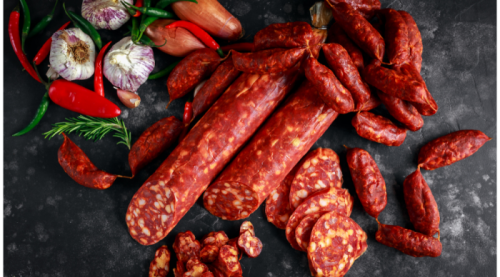
Analysis on Causes and Prevention Measures of Sausage Souring
Sausage is a traditional Chinese cured meat product. It is mainly made of lean pork and pork back fat, supplemented with salt, nitrite (or nitrate), Chinese liquor, sugar and other accessories. The finished product is obtained through stirring, pickling, casing filling, drying and hanging curing.In industrial production, traditional natural drying is replaced by baking at 45~55℃ for 40 to 60 hours. This method shortens production cycles, cuts costs and improves economic benefits, yet brings...
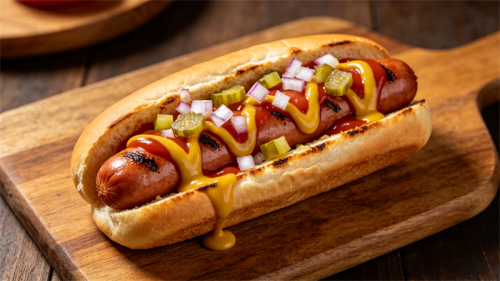
Sharing of Craft Formula for Hot Dog Sausages
There is a convenient delicacy steeped in rich food culture. Its slender shape resembles that of the long‑bodied, brown‑coated dachshund (the origin of its name). Made from premium selected pork and seasoned with natural spices, it boasts a reddish, glossy and attractive appearance. It can be boiled, heated, grilled or pan‑fried, and served in sandwich buns. A single sausage offers hundreds of eating styles. It is a top choice for side dishes and an ideal companion for household and catering...
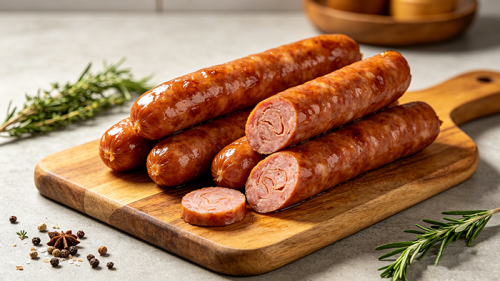
What equipment is required for sausage processing?
1. Meat GrinderFunction of Meat Grinder: To cut large chunks of meat into small particles.Working principle: Meat material is conveyed by the screw, pushed forward through the grinding cylinder with regular guide ribs, then extruded from the hole plate and cut into granules by the rotating cutting knife.The hole plate has standard and customized specifications. The minimum aperture is generally 3mm, and the maximum is 32mm.Although the meat grinder seems simple, it is actually not easy to...
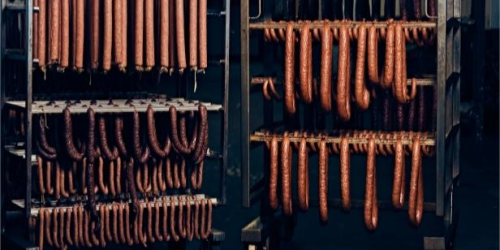
Detailed Explanation of Fermentation Technology in Sausage Processing
Fermentation is a processing technology that utilizes microbial action under natural or artificially controlled conditions to endow meat with unique flavor, color and texture, so as to produce meat products with an extended shelf life.Two Generations of Starter BacteriaThe first-generation starters are derived from plants, represented by Lactobacillus plantarum and Pediococcus pentosaceus. The second-generation starters are isolated from meat products, which are more suitable for fermented...
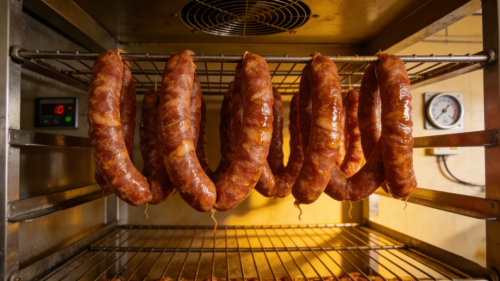
Sausage Drying Process: Three-Stage Parameter Setting and Detailed Analysis of Common Problems
In the industrial production of sausages, drying is a core process that determines product texture, flavor, food safety and shelf life. More than 80% of product quality problems in the industry originate from inadequate control of the drying process. The essence of industrial sausage drying lies in full-process controllability, replicable parameters and traceable quality. From a professional production perspective, this paper concisely analyzes the fundamental mechanism, practical operation...
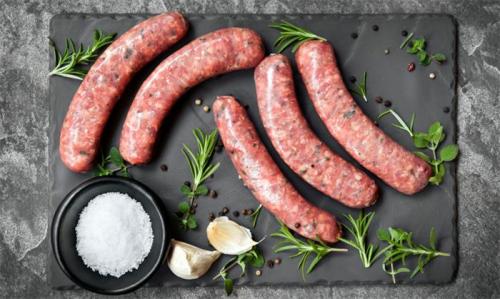
Analysis of Causes for Oil Separation in Sausages and Corresponding Solutions
I. Causes of Oil Separation Insufficient addition of lean meatAfter grinding and tumbling, meat releases a large amount of salt-soluble proteins under the action of salt and phosphate. Salt-soluble proteins have a strong fat-encapsulating capacity. If the meat content in the product is relatively low, its ability to encapsulate fat will decrease, eventually leading to oil separation. Excessively high fat contentTo reduce costs, many manufacturers continuously increase the fat content....
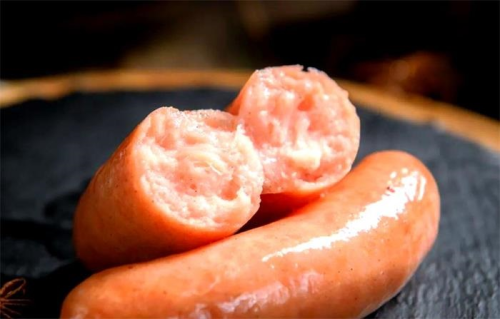
Summary of Knowledge on Casings in Meat Products
Packaging is essential when producing and selling meat products such as hams and sausages. Packaging can be divided into outer packaging and inner packaging. The main purpose of outer packaging is to isolate the product from the external environment, maintain hygiene, and allow consumers to know the product name, ingredients, weight, manufacturer, production date, etc. The main purpose of inner packaging is to prevent the product shape from being damaged during manufacturing and to standardize...
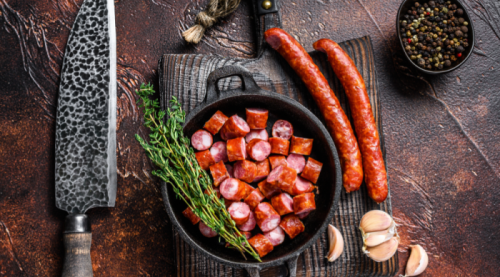
Classification of Cured Meat Sausages
There is a wide variety of sausage products with different processing methods, and there is no uniform classification system worldwide. For example, German sausages are mainly divided into fresh raw sausages, cooked-smoked sausages, and ready-to-eat cooked sausages.For many years in China's meat processing industry, a common classification has been used to distinguish between Chinese-style sausages and western-style sausages: traditional Chinese sausages (represented by Cantonese cured...
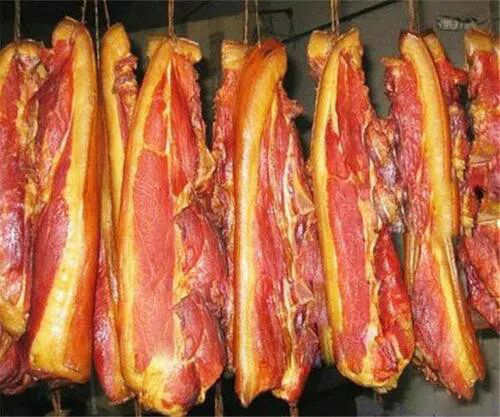
Smoking Technology for Meat Products
The essence of smoking is the process by which products absorb wood decomposition products; therefore, wood decomposition products are the key to determining the effect of smoking. Many components, such as volatile oils, fatty acids, and ethanol, are known as wood extracts. They not only accelerate the achievement of the required smoking state of products but also inhibit microbial growth.Characteristics of SmokingImparts a unique smoky flavor to products. Local high temperatures on the product...


Privacy statement: Your privacy is very important to Us. Our company promises not to disclose your personal information to any external company with out your explicit permission.
Fill in more information so that we can get in touch with you faster
Privacy statement: Your privacy is very important to Us. Our company promises not to disclose your personal information to any external company with out your explicit permission.